




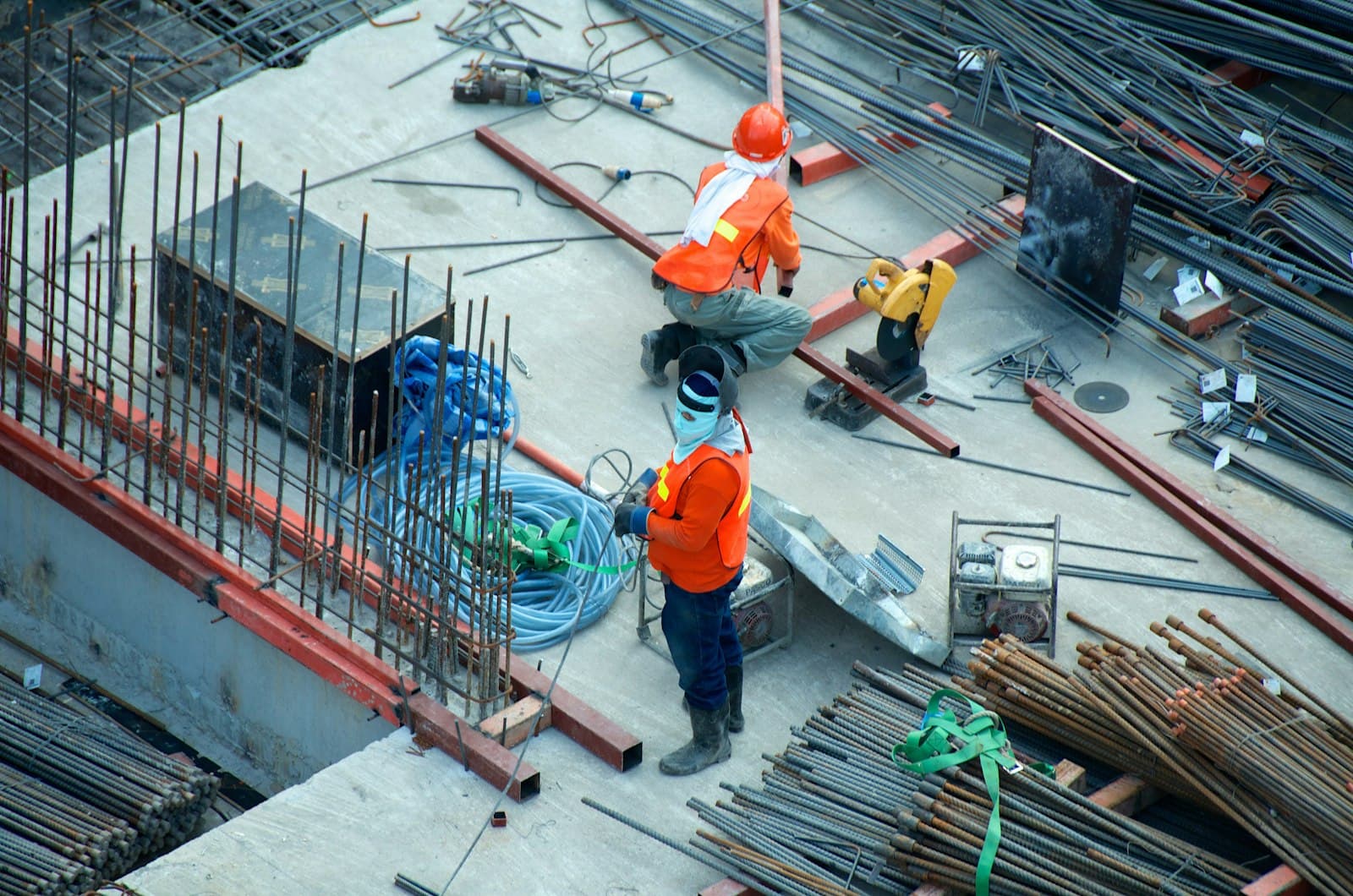
A construction loan is not a single check handed over at closing. It's a series of disbursements, called draws, released only after a lender's inspector verifies that the work claimed in each draw request actually happened. Understanding that mechanism, not just the total loan amount, is what determines whether a project stays funded on schedule or stalls waiting on paperwork.
Every draw request has to be backed by documentation, invoices, progress photos, and often a third-party inspection report, before the lender releases funds. The lender's inspector, not the contractor's pay application alone, determines how much of the requested draw is actually justified.
How does a single draw actually move from request to funded?
The contractor submits a draw request
Tied to a specific completion milestone, with invoices, progress photos, and a pay application documenting the work completed since the last draw.
Lender and owner's representative review
Typically 2 to 4 business days, checking the request against the approved budget and draw schedule before scheduling a site inspection.
Site inspection
An independent inspector visits the site, usually within 3 to 5 business days of the request, and verifies the claimed percentage of completion in person.
Title company date-down endorsement
Confirms no new liens have attached to the property since the last draw, protecting the lender's lien position. Typically 1 to 3 business days.
Funds released
Once every prior step clears, wire processing typically takes 1 to 2 business days, bringing the full request-to-funding cycle to roughly 7 to 14 business days.
Why does the lender hold back retainage on every draw?
Most construction lenders withhold 5% to 10% of each draw as retainage, released only at project completion once a final inspection passes and any punch-list items are resolved. It's a straightforward incentive mechanism: without it, a contractor has been paid in full well before the last, often tedious, details of a project are actually finished.
| Draw schedule element | Typical range |
|---|---|
| Number of draws | 4 to 6, tied to specific milestones |
| Size per draw | 15% to 25% of total loan amount |
| Retainage withheld per draw | 5% to 10%, released at final completion |
| Inspection turnaround | 3 to 5 business days after request |
| Full draw cycle | 7 to 14 business days, request to funded |
What happens when a draw request doesn't match what the inspector sees?
This is where projects actually stall, not usually at the initial loan approval. If the inspector's report shows less progress than the draw request claims, the lender will either reduce the draw to match the verified percentage or reject it entirely until the work catches up. Neither outcome moves the project forward, and an inflated or poorly documented request doesn't get quietly corrected, it delays the entire draw while the discrepancy gets resolved.
A draw request likely to stall
- Percentage complete estimated loosely, not measured against the budget
- Missing or incomplete contractor invoices
- No progress photos matched to specific line items
- Submitted before the prior draw's punch-list items were resolved
A draw request likely to move fast
- Completion percentage tied directly to the approved budget line items
- Full documentation submitted with the request, not after
- Progress photos dated and matched to the specific milestone
- Prior draw's retainage conditions already addressed
Build the draw schedule with your lender before construction starts, not after the first request is already late. A schedule that reflects how the specific project will actually be sequenced avoids requests that don't match how the lender's inspector will see the site.
Why does construction-to-permanent financing matter here?
A construction-to-permanent loan combines the construction-phase draws and the long-term mortgage into a single closing. That single relationship carries through the entire draw process and converts directly to permanent financing once the certificate of occupancy is issued, avoiding a second application, a second underwriting cycle, and a second set of closing costs at exactly the moment a project is finally generating income.
- Confirm the full draw schedule and milestone definitions with your lender before breaking ground
- Set up your contractor's documentation process to match what the lender's inspector will check
- Build retainage into your own cash flow planning, it isn't released until final completion
- Confirm whether your loan converts to permanent financing at completion or requires a second closing
- Submit each draw request only when documentation is complete, a partial request delays the whole draw
Building or renovating commercial property?
SMAART Loans packages your construction loan application, builds the draw schedule around your project's actual milestones, and manages lender communication through every phase, from dirt to certificate of occupancy.
Start your construction loanSources
- Standard commercial construction lending draw, retainage and inspection practices, as reported across commercial construction finance guides
Frequently asked questions
Most commercial construction loans release funds across 4 to 6 draws, each covering roughly 15% to 25% of the total loan amount, tied to a specific, verifiable completion milestone rather than a flat monthly schedule.
Retainage is typically 5% to 10% of each draw that the lender withholds until the project is fully complete, inspected, and any punch-list items are resolved. It functions as a quality-control mechanism, keeping the general contractor financially motivated to finish the job correctly rather than moving on before the last details are done.
From draw request submission to funds in the contractor's account typically runs 7 to 14 business days: 2 to 4 days for lender and owner's representative review, 2 to 5 days for the site inspection, 1 to 3 days for the title company's date-down endorsement, and 1 to 2 days for wire processing.
The lender will either reduce the draw to match the verified completion percentage or reject it outright until the work catches up. This is exactly why draw requests need to be conservative and well-documented, an inflated request doesn't just get corrected, it delays the entire draw while it's disputed.
It's a single closing that combines the construction-phase financing with the long-term mortgage that takes effect once the building is complete. It matters for draws because it means the same lender relationship carries through the entire draw process and into permanent financing, rather than requiring a second application and a second closing once construction ends.